The Reality of Studio Kitchens
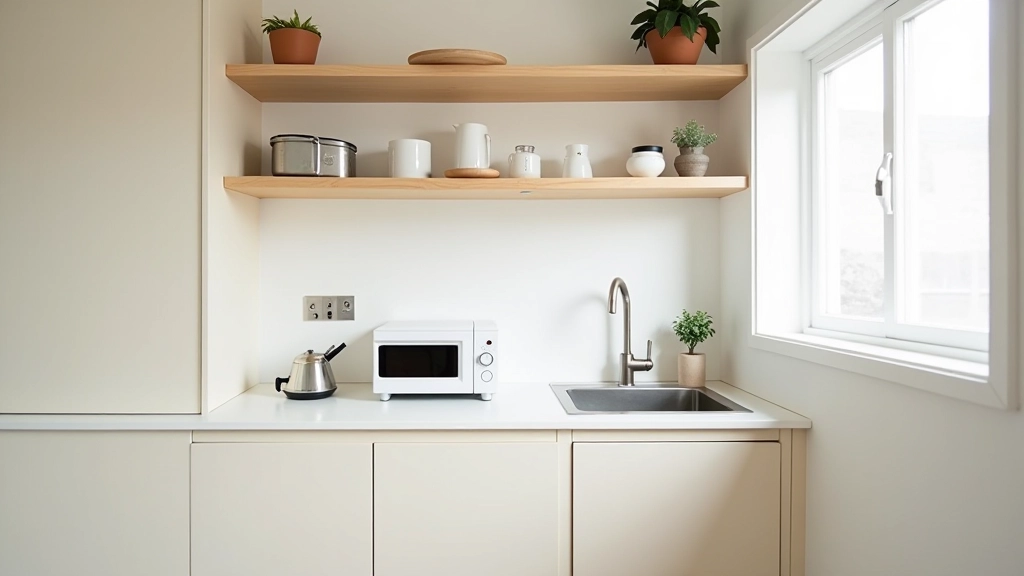
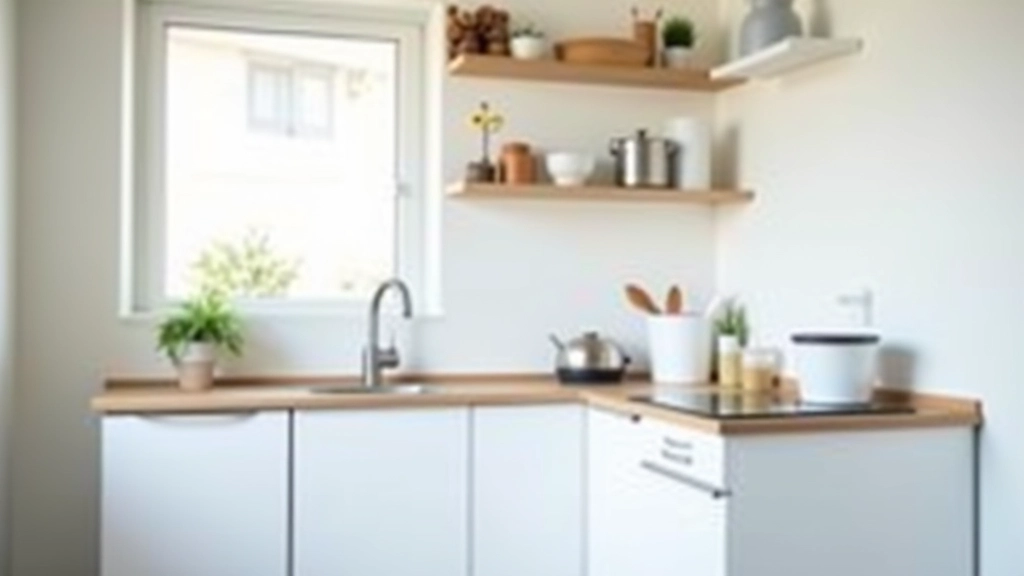
Let's be honest — studio kitchens aren't really kitchens. They're more like a cooking corner you've got to make work. You're looking at maybe 6-8 linear feet of counter space if you're lucky, one or two burners, and a refrigerator that's basically a dorm fridge on its best day.
But here's the thing: you can actually eat well from a studio kitchen. It's not about having every gadget. It's about knowing what matters and organizing ruthlessly. The people who succeed at this aren't the ones with Pinterest-perfect kitchens — they're the ones who've figured out their actual cooking habits and built around those.
Essential Equipment — Nothing More
Most people overcomplicate this. They buy a rice cooker, an air fryer, a mini oven, and suddenly they've got no counter space left. You don't need that. What you actually need:
One Good Pan
A 10-inch stainless steel or cast iron skillet does 80% of what you'll cook. Stir-fries, pasta finishing, searing, scrambling — one pan handles it.
A Pot for Boiling
3-quart capacity. Pasta, rice, soups. Stack it inside your skillet when storing. This alone saves massive cabinet space.
Cutting Board & Chef's Knife
A decent 8-inch chef's knife and a wooden cutting board that's small enough to fit in a drawer. Skip the block.
Storage Containers
4-5 matching glass containers with lids. You'll use these more than any appliance. Meal prep becomes manageable when you've got proper containers.
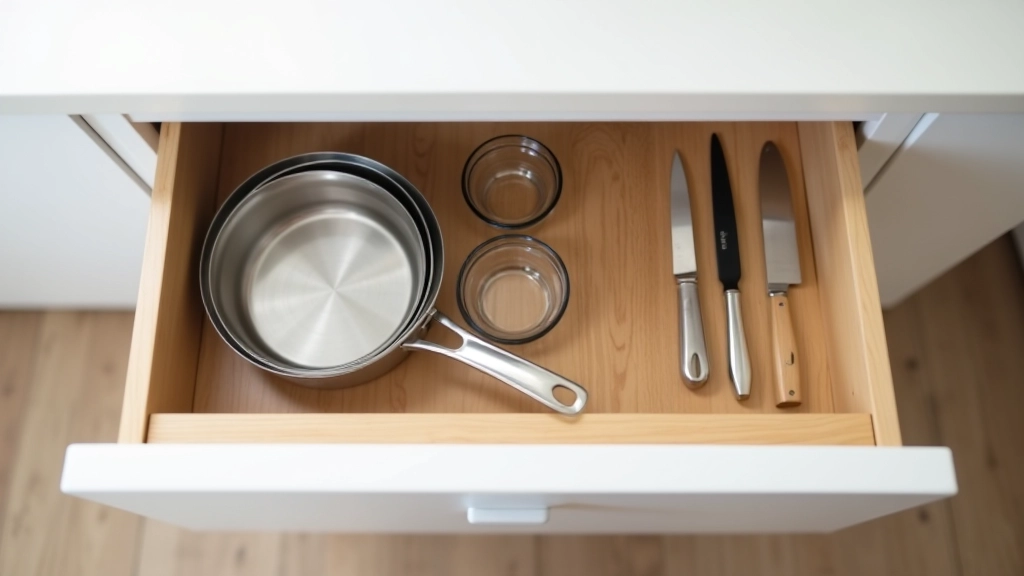
Pro tip: Get nesting cookware. Some brands make pans and pots that stack inside each other. You'll save 40% of cabinet space compared to traditional sets.
Counter Space Strategy
With maybe 6-8 feet of counter space, every inch matters. Here's how to actually use it:
The Active Zone
2-3 feet next to your stove for prep work. This is your working area when you're actually cooking. Keep it clear. Your cutting board, ingredients in progress, nothing else.
The Appliance Zone
If you're keeping a kettle, coffee maker, or toaster, give them a dedicated spot. Everything else lives in cabinets or above the fridge. One appliance at a time is the rule.
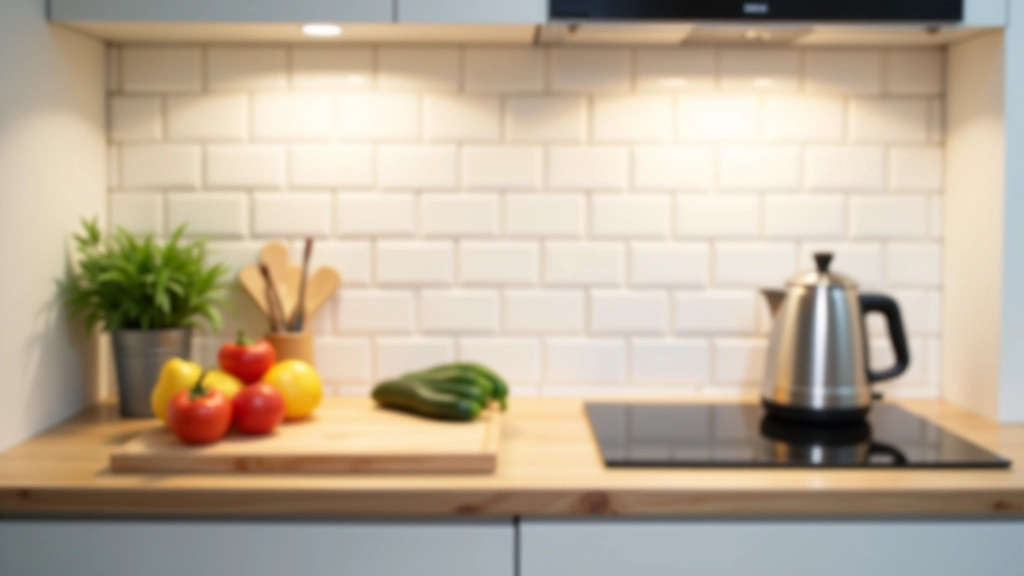
The counter space thing works because you're being intentional. Everything that lives there has to earn its spot. Your kettle stays because you use it daily. Your toaster? If you're making toast 4-5 times a week, it stays. If you use it twice a month, it goes in the cabinet or gets replaced by a pan under the broiler.
Organization Systems That Actually Work
Organization isn't about looking pretty. It's about being able to find what you need without opening five cabinets. Studio kitchens force you to be systematic, and honestly, that's the advantage.
Vertical Storage First
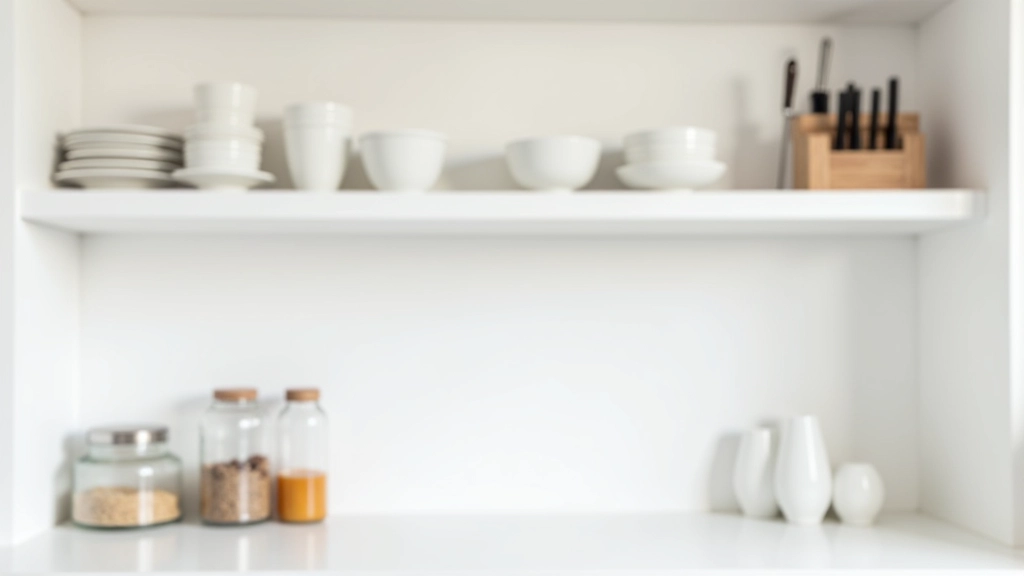
Use wall space aggressively. Open shelving above the counter, magnetic strips for knives, a pegboard for utensils — this frees up your precious cabinet space. One wall-mounted shelf gives you as much storage as two cabinet shelves without eating floor space.
Stack your plates and bowls vertically with shelf dividers. Keep your glasses in the same cabinet as your plates — everything food-related in one zone. Oils, vinegars, sauces in small jars on another shelf. Everything has a place.
The Container System
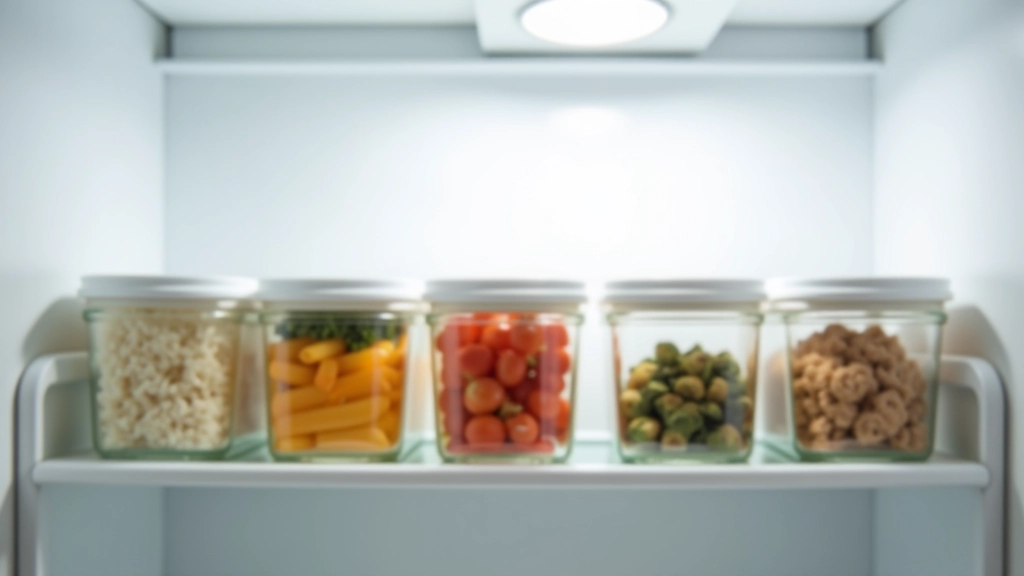
Matching containers aren't just for aesthetics. They're functional. You can stack them efficiently. You can see what's inside. You know exactly how much space they take up. Buy 4-5 mid-sized glass containers with locking lids and you've got your meal prep sorted.
Sunday prep becomes easier because you're using the same containers every week. Monday morning you grab a container from the fridge, heat it, eat. No dishes cluttering the sink. Your fridge doesn't look chaotic with 15 different containers of different sizes.
Making It Sustainable
The key isn't having a fancy studio kitchen. It's having a kitchen that supports your actual eating habits. If you're someone who cooks 4 nights a week, you design around that. If you're ordering in most nights and just need to reheat things, you organize differently.
Start with one pan and one pot. Add equipment only when you genuinely need it — not when you think you might someday. Keep your counter clear except for your active cooking zone. Stack everything vertically. Use matching containers for consistency. You'll find that a tiny kitchen works better than a large disorganized one. The constraint actually forces you to be more intentional about cooking and eating, which usually means you eat better.
Disclaimer
This article is for informational and educational purposes. Kitchen layouts, storage solutions, and equipment recommendations vary based on individual circumstances, local building codes, appliance availability, and personal cooking habits. Always consult with a professional if you're considering structural modifications or appliance installations. This content represents general guidance based on compact living principles and isn't tailored to your specific situation.