Start With Your Layout
Before you buy anything, spend time thinking about how you actually live in your space. You're not furnishing a showroom — you're furnishing a place where you'll sleep, work, eat, and relax. That matters.
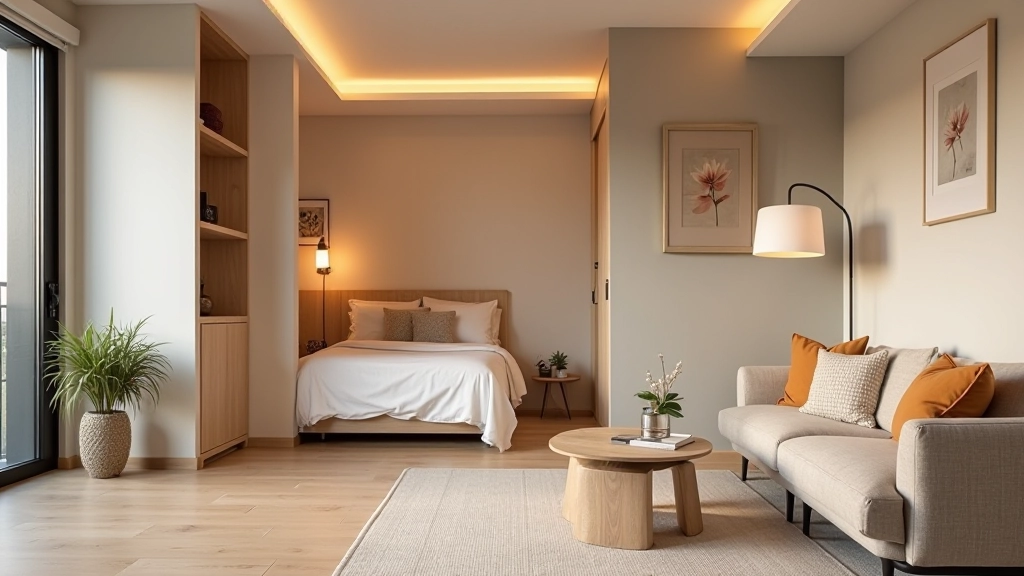
The trick is anchoring your room with one larger piece (usually a bed or sofa) and building around it. Don't scatter small pieces everywhere hoping they'll work. They won't. Instead, create zones even if your studio is only 350 square feet. One corner for sleeping, another for working, a small area for eating. You'll feel less cramped and the space becomes more functional.
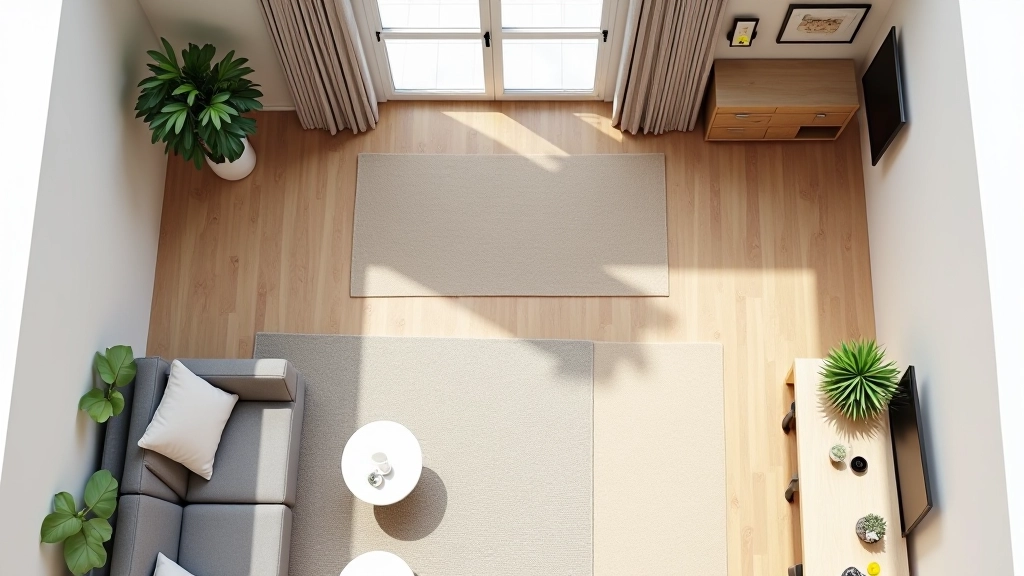
Pro tip: arrange your furniture to maximize sight lines. When you can see across the room, it feels bigger. A sofa pushed against a wall instead of floating in the center keeps your pathways open.
Multi-Functional Pieces Are Your Best Friend
This isn't about tricky transforming furniture that's annoying to move. It's about pieces that do more than one job without looking weird.
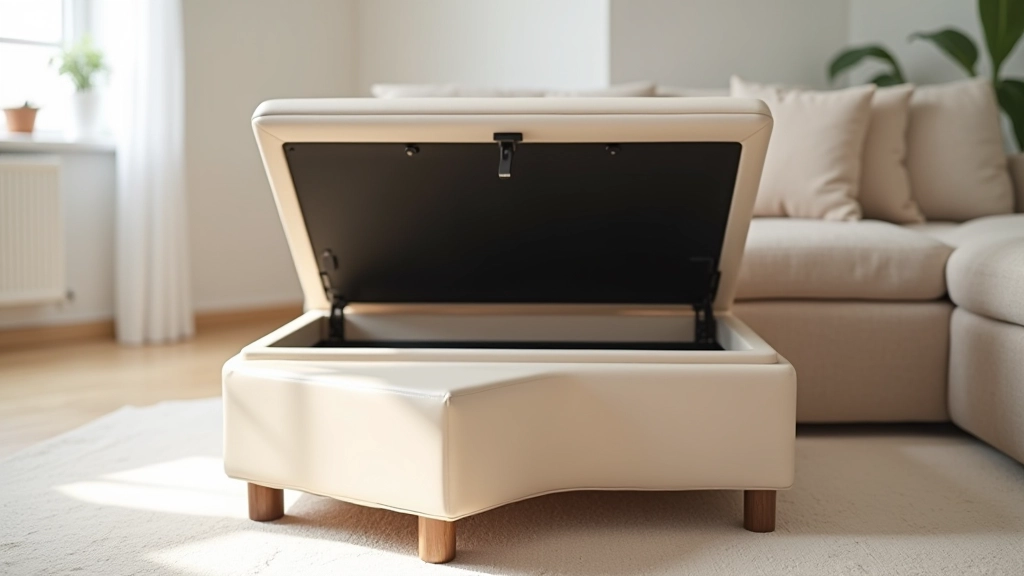
A platform bed with built-in drawers underneath? That's not fancy — that's practical. You've got storage that doesn't take up extra floor space. An ottoman that opens for blanket storage. A wall-mounted desk that folds down when you're not working. A console table behind your sofa that works as both a desk and a dining surface. These aren't compromises. They're just smart.
The Real Deal: Look for furniture with dual purposes. A storage bench at the foot of your bed. Shelving that's also a room divider. A coffee table with a lift-top for working or eating. These save you from stuffing a corner with five different pieces.
Go Vertical When Floor Space Runs Out
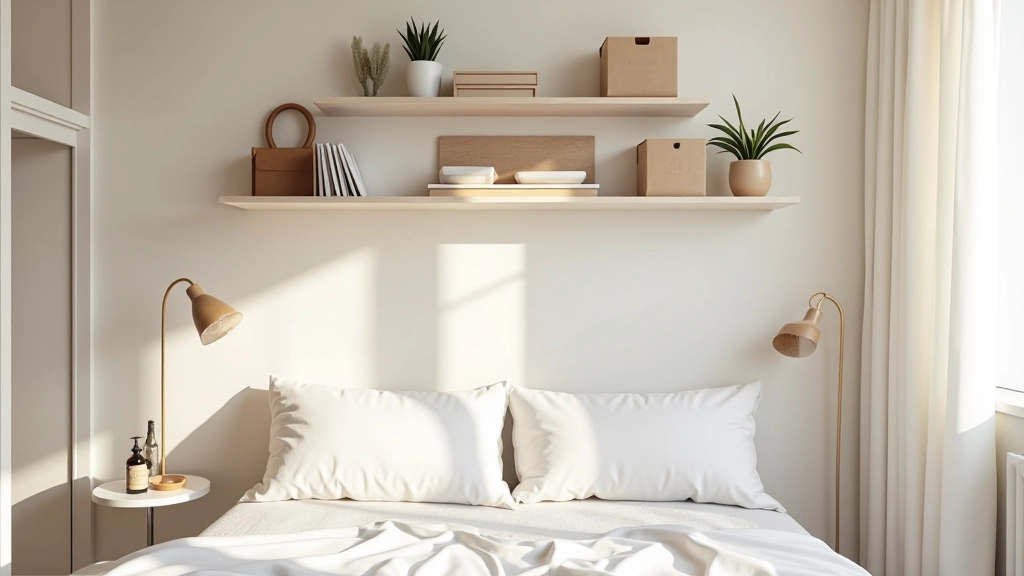
Your walls are real estate. Use them. Wall-mounted shelving, floating desks, hanging storage — these add function without eating into your floor space. A studio that's 300 square feet becomes functional when you're not trying to fit everything on the ground.
Install shelving 12-18 inches apart depending on what you're storing. Books, decorative items, kitchen supplies — all can live on walls. A pegboard above your desk holds office supplies. Floating shelves beside your bed create nightstand function without a bulky table. Wall hooks for bags, jackets, scarves. It all adds up.
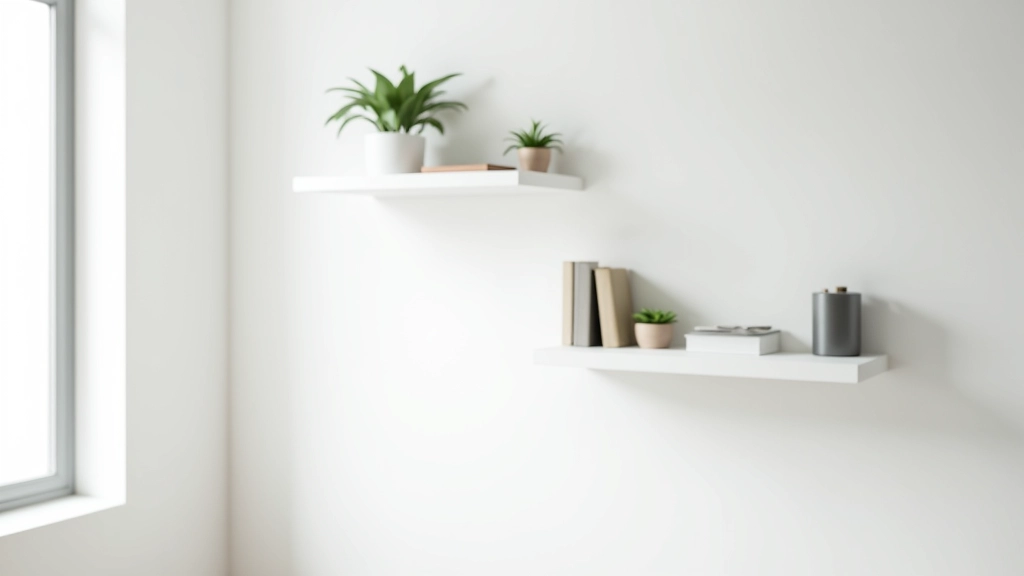
Don't go crazy though. Visual clutter feels cramped even if the floor is clear. Aim for balance — some shelves with stuff, some with breathing room.
Pick the Right Scale
This is where people mess up. They buy a full-size dining table for a studio, then wonder why they can't move. Or they get a massive sectional and lose half their floor space.
Measure everything. Your bed, your sofa, your desk. A full bed takes up about 55 square feet. A queen takes 65. In a 350 square foot studio, that's significant. A compact sofa (70-80 inches) works better than a sprawling sectional. A two-person dining table instead of four. A desk that's 36-48 inches wide instead of a massive 60-inch office setup.
Real Numbers: Most compact studios work best with furniture that's 30-50% smaller than what you'd pick for a normal apartment. That sounds like a compromise but it's not — it's the difference between living comfortably and living crammed.

Choose Materials That Breathe
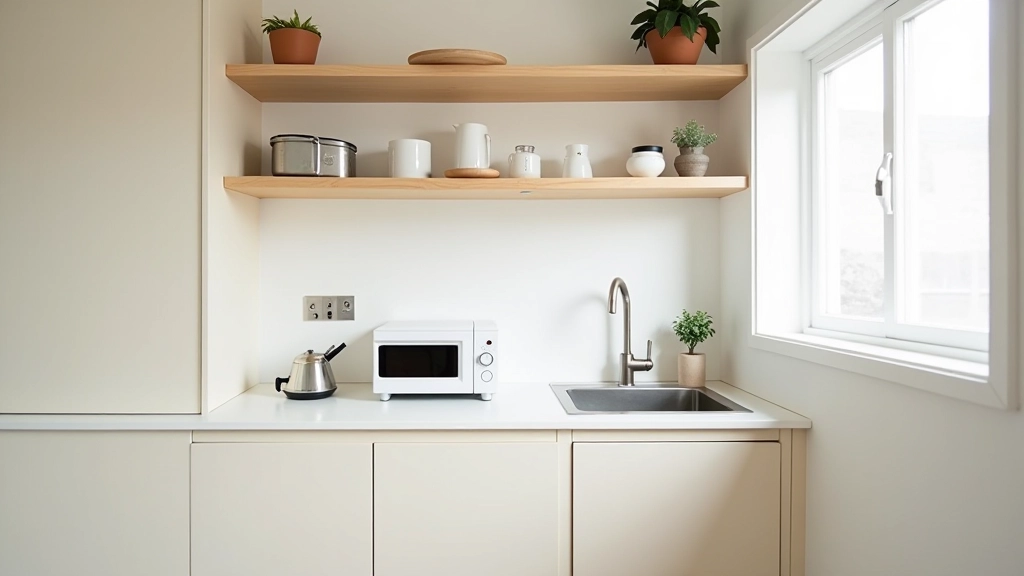
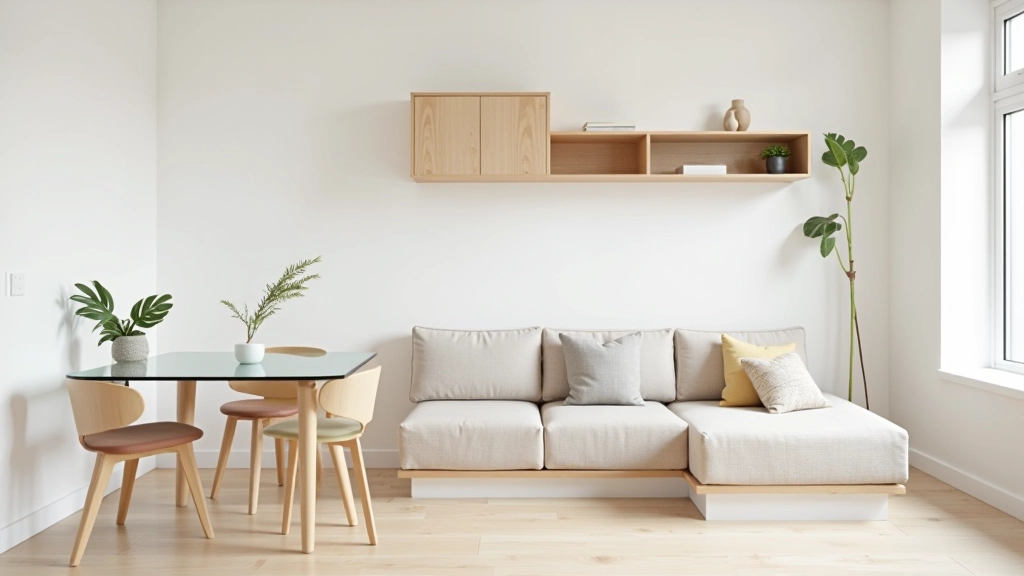
Glass, light wood, and open-frame furniture feel less heavy in small spaces. A glass-top dining table takes up visual space but not physical presence. Open shelving instead of closed cabinets. Metal-frame chairs instead of solid wooden ones. These choices make your studio feel airier even though the square footage hasn't changed.
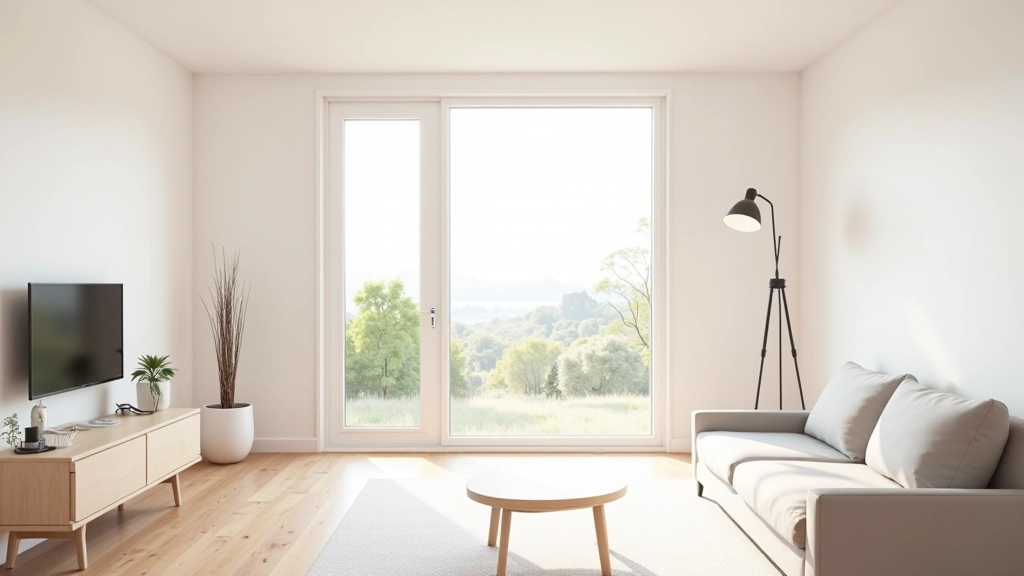
Color matters too. Light, neutral furniture (white, light gray, natural wood) reflects light and feels open. Dark, heavy pieces absorb light and make rooms feel smaller. You don't need everything to be white — a charcoal accent piece works fine — but your main furniture should trend light.
The Bottom Line
Small space furniture isn't about magic or trendy hacks. It's about thinking before you buy. Measure. Plan your zones. Choose pieces that do more than one job. Go vertical. Pick the right scale. Use light materials that don't feel heavy.
Most importantly, don't treat your studio like a full apartment crammed smaller. Treat it like what it is — a specific space with its own logic. When you design for it instead of against it, it works. You'll have room to move, places for your stuff, and a space that doesn't feel claustrophobic. That's the goal.
Disclaimer: This article provides general guidance on furniture selection and space planning for studio apartments. Recommendations are based on common design principles and may vary depending on your specific space dimensions, layout, and personal needs. Always measure your space carefully before purchasing furniture. Building codes and rental restrictions may apply — check with your landlord or local regulations before making permanent modifications like wall-mounted installations. Results will differ based on individual circumstances and room conditions.